Introduction
Your building’s roofing assembly serves as an unyielding structural barrier protecting interior living spaces, valuable assets, and occupants from relentless seasonal weather extremes. Unlike interior structural components sheltered from ambient environmental shifts, roofing materials endure scorching summer heat, driving rainstorms, heavy snow loads, and rapid freeze-thaw cycles every single day. Over time, continuous exposure to harsh elements causes subtle material degradation that can easily escape untrained visual notice from ground level.
To prevent minor shingle imperfections or hairline flashing fissures from escalating into catastrophic structural rot, property owners must understand how frequently to schedule professional roof repair and leak detection services. While generic roofing advice often suggests reacting only when interior water stains become visible, seasoned roofing professionals know that proactive diagnostic assessments represent the most reliable and cost-effective safeguard for preserving roof longevity and structural integrity.
Recommended Baseline Frequency for Professional Roof Leak Detection
Biannual Professional Evaluations for Residential Homes
For residential homeowners, scheduling professional roof inspections and leak detection assessments twice each year represents the premier industry standard. The ideal timing for these routine evaluations is during early spring and late autumn. A comprehensive spring inspection evaluates how well your shingles, ice barriers, and flashing assemblies endured winter snow loads and freeze-thaw cycles, identifying cracked tabs or loosened fasteners before heavy spring thunderstorms arrive.
Conversely, an autumn assessment ensures that your roof is cleared of summer debris, that chimney flashing is securely sealed, and that attic ventilation pathways remain completely unobstructed before freezing temperatures return. Performing these two seasonal reviews each year allows residential property owners to catch small defects early, preventing localized moisture penetration from causing costly attic wood rot, mold growth, and ceiling drywall staining.
Quarterly and Seasonal Reviews for Commercial Flat Facilities
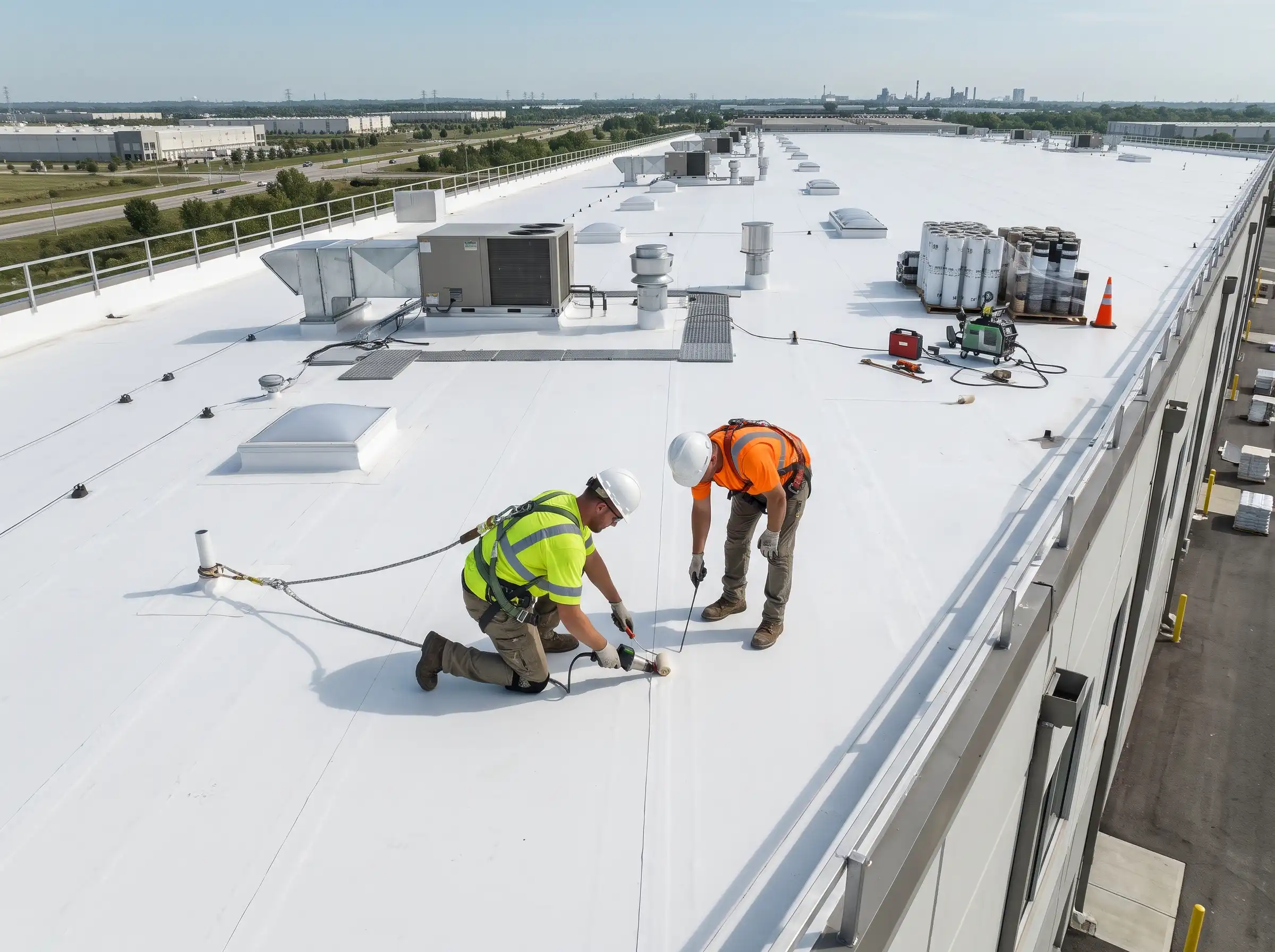
Commercial facilities featuring low-slope or flat roofing assemblies demand more frequent diagnostic leak detection reviews due to their susceptibility to standing ponding water and mechanical rooftop traffic. Membrane systems such as EPDM, TPO, and built-up assemblies should undergo thorough technical inspections at least three to four times per year. Routine quarterly evaluations detect membrane punctures, failing seam adhesives, clogged drainage scuppers, and perimeter flashing separation caused by heavy HVAC equipment servicing.
Consistent seasonal reviews allow facility managers to repair minor membrane tears promptly, preventing hidden water migration into underlying polyiso insulation boards. Because commercial flat roofs lack the natural gravity shedding of pitched residential roofs, routine professional leak detection is essential to verify that drainage slopes function correctly and that standing water evaporates within forty-eight hours after severe storms.
Environmental Triggers Demanding Immediate Diagnostic Leak Detection
Post-Hailstorm Evaluations and Impact Trauma Diagnostics
Severe convective hailstorms introduce violent kinetic impacts that can bruise shingle reinforcement mats, dislodge protective mineral granules, and crack rigid roofing tiles without creating immediate indoor leaks. When hailstones strike a roof, latent fractures weaken the asphalt matrix, leaving underlying fiberglass exposed to accelerating ultraviolet degradation and eventual water intrusion. Property owners should arrange comprehensive diagnostic inspections immediately following any documented hailstorm.
Experienced roofing technicians utilize high-resolution imagery and tactile assessments to distinguish hail impact bruising from normal weathering, ensuring necessary insurance claims are supported by irrefutable photographic evidence. Documenting hail trauma promptly is critical, as most insurance carriers require storm claims to be filed within a specific timeframe following the weather event.
Severe Wind Events and Structural Wind-Uplift Stresses
Violent windstorms producing sustained gusts or sudden directional changes create severe negative pressure differentials across roof perimeters, eaves, and ridgelines. These aerodynamic forces can lift shingle tabs, break brittle adhesive starter strips, and loosen metal edge trim without visibly tearing shingles away. Once wind-driven rain penetrates beneath lifted shingles, moisture travels along decking seams and rots fasteners long before manifesting on interior ceilings.
Arranging prompt leak detection following major wind events ensures that unsealed shingle tabs are securely re-adhered and damaged underlayments repaired before future rainfall enters. Certified technicians inspect flashing seals along windward edges, re-secure loosened drip edge metals, and verify that ridge vents remain firmly attached to prevent catastrophic roof failure during subsequent storms.
Critical Vulnerability Zones Examined During Leak Detection
Chimney Valleys and Deteriorated Metal Flashing Intersections
Over eighty percent of residential roof leaks originate not within the central field of shingles, but along complex structural intersections and perimeter flashing junctions. Chimneys, roof valleys, dormer step flashing, and wall transitions bear the heaviest concentrations of rushing stormwater. Over years of thermal expansion and contraction, metal flashing corrodes, caulked counter-flashing joints dry out, and valley underlayments become brittle.
Professional leak detection focuses meticulously on these high-stress zones, examining soldered joints, replacing rusted step flashing, and renewing elastomeric sealants to ensure impenetrable moisture defense. Technicians inspect masonry mortar around chimneys for spalling and verify that chimney caps remain watertight to prevent water from entering hidden chimney chases.
Rooftop Penetrations Plumbing Vents and Skylight Curbs
Every structural opening penetrating your roof deck represents a potential water entry pathway if waterproofing seals deteriorate. Neoprene pipe boots surrounding plumbing vent stacks degrade rapidly under intense solar ultraviolet exposure, often cracking within five to eight years while surrounding shingles remain functional. Similarly, skylight perimeter seals, exhaust fan flappers, and satellite dish mounting brackets frequently harbor concealed moisture entry points.
Professional diagnostic assessments examine every penetration gasket, replacing deteriorated rubber boots and rebuilding custom skylight flashing before water penetrates underlying rafters. Ensuring that all rooftop curbs and pipe flashings are sealed with commercial-grade waterproof membranes eliminates one of the most common sources of sudden interior ceiling leaks.
Warning Signals Warranting Urgent Leak Detection and Repair
Interior Ceiling Discoloration and Unexplained Attic Odors
Property owners should never dismiss faint interior warnings as harmless cosmetic blemishes. Subtle yellow or light brown stains spreading across ceiling drywall, peeling paint along exterior overhangs, or damp patches on attic insulation indicate active moisture intrusion. Furthermore, persistent musty smells inside attic spaces often signal hidden roof decking rot and toxic mold colonization that thrive in humid, unventilated cavities.
The moment interior staining or damp odors are observed, homeowners must commission immediate professional leak detection to trace moisture paths and stop structural damage. Technicians use thermal imaging cameras and electronic moisture meters to pinpoint exact exterior entry points without destructive exploratory wall demolition, saving homeowners thousands in remediation costs.
Granule Accumulation in Gutter Troughs and Shingle Curling
External visual anomalies also provide clear signals that your roofing system requires immediate repair evaluation. If your gutter troughs contain excessive mineral granules resembling coarse black sand, your shingles are shedding their protective barrier against solar ultraviolet radiation. Shingles that exhibit upward curling edges, clawing center tabs, or localized blistering have lost essential asphalt oils, leaving them vulnerable to wind-lift and moisture penetration.
Contacting a roofing specialist to evaluate brittle shingles ensures localized repairs or timely replacement can be executed before widespread decking failure occurs. Regular inspections evaluate overall shingle pliability, verify granule retention rates, and determine whether targeted shingle replacement will safely extend the roof assembly’s remaining useful lifespan.
Strategic Long-Term Value of Proactive Roof Maintenance Plans
Preserving Manufacturer Warranties and Structural Longevity
Leading roofing material manufacturers mandate routine professional maintenance as an explicit prerequisite for honoring multi-decade non-prorated product warranties. Failing to document regular inspections and prompt repairs can jeopardize warranty claims when premature product defects arise. Enrolling in a proactive maintenance agreement creates an unbroken chain of verified service records, safeguarding your financial investment.
Furthermore, identifying minor flashing cracks and performing routine seal renewals extends the functional operating life of an asphalt shingle or rubber membrane roof by five to ten years. Proactive maintenance maximizes your return on capital expenditure and delays the substantial financial expense of full roof replacement.
Mitigating Emergency Replacement Costs and Preserving Assets
Postponing roof repairs until catastrophic interior flooding occurs inevitably multiplies repair expenses tenfold. Water that enters unhindered destroys blown-in fiberglass insulation, rots structural roof trusses, corrodes electrical junction boxes, and saturates finished interior drywall. By contrast, investing in scheduled leak detection and minor preventative repairs averts sudden emergency reroofing expenses and preserves valuable real estate equity.
Partnering with a licensed roofing specialist guarantees that your building remains securely fortified against the harshest seasonal storms for decades to come. Establishing a consistent biannual inspection cadence delivers total structural confidence, protecting your property value and ensuring reliable overhead defense through every season.
Conclusion and Proactive Steps for Overhead Protection
In summary, maintaining a reliable roof requires moving beyond reactive emergency repair calls toward an intentional, calendar-based preventative inspection routine. For standard residential properties, scheduling professional leak detection twice annually provides optimal defense against subtle weathering and freeze-thaw cycles. For commercial flat roofing assemblies or properties exposed to severe storm events, quarterly evaluations ensure continuous drainage and immediate remediation of membrane punctures.
By partnering with experienced roofing professionals who utilize advanced infrared diagnostics and comprehensive flashing assessments, you protect your real estate investment from concealed structural moisture decay. Take proactive command of your building’s structural defense today by arranging a comprehensive professional roof evaluation, securing enduring peace of mind and dependable overhead protection for years to come.